Learn what a digital kiosk machine is, how it works, its benefits, business applications, and how to choose the right digital kiosk solution in Bangladesh.
If you have visited a shopping mall, airport, hospital, or bank recently, you have probably interacted with a digital kiosk machine without even realizing its full potential. These self-service machines are quietly transforming how businesses in Bangladesh and around the world serve their customers.
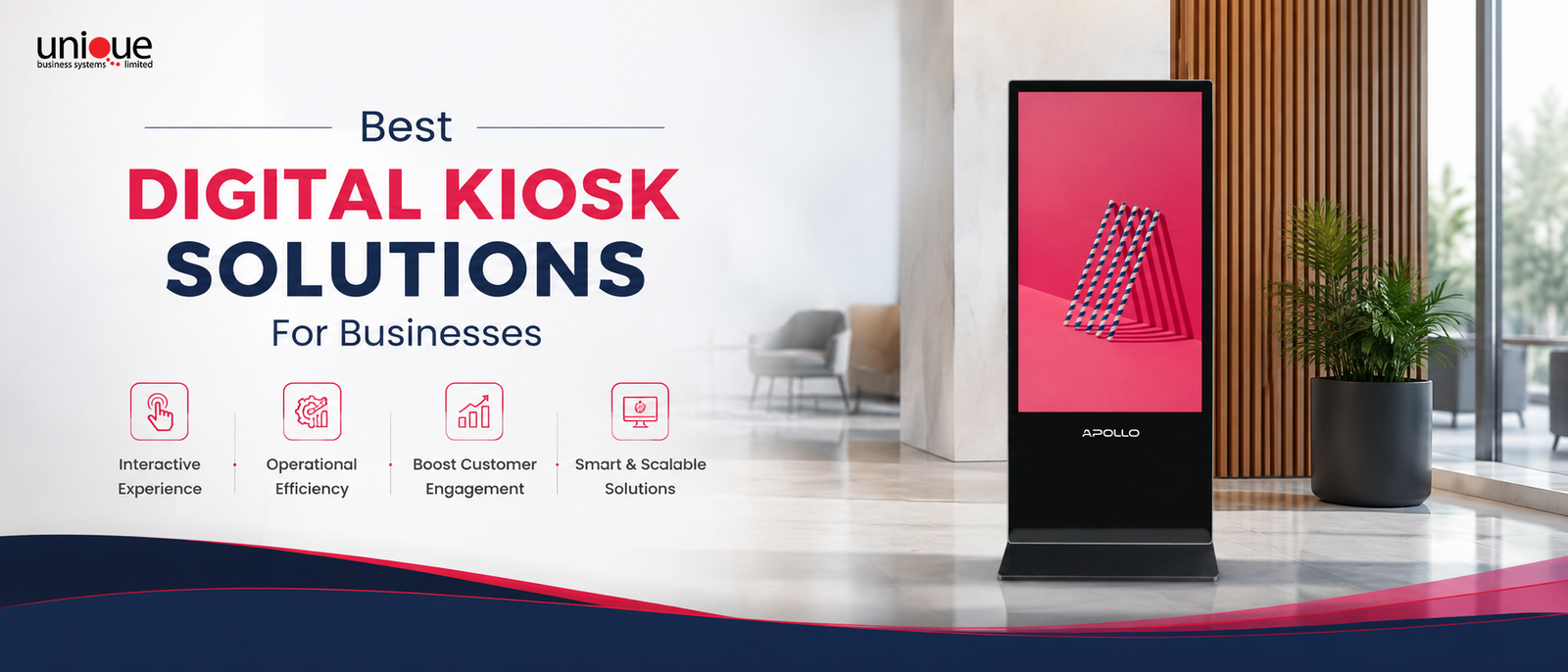
A digital kiosk machine is an interactive, freestanding device that combines a touchscreen display, software, and sometimes hardware like printers or card readers to let customers complete tasks on their own — without waiting for staff assistance. From checking in at an airport to browsing a product catalog in a retail store, digital kiosks are becoming a standard part of modern customer service.
In this guide, we will explain what a digital kiosk machine is, how it works, the different types available, their key benefits, and how to choose the right one for your business.
What Is a Digital Kiosk Machine?
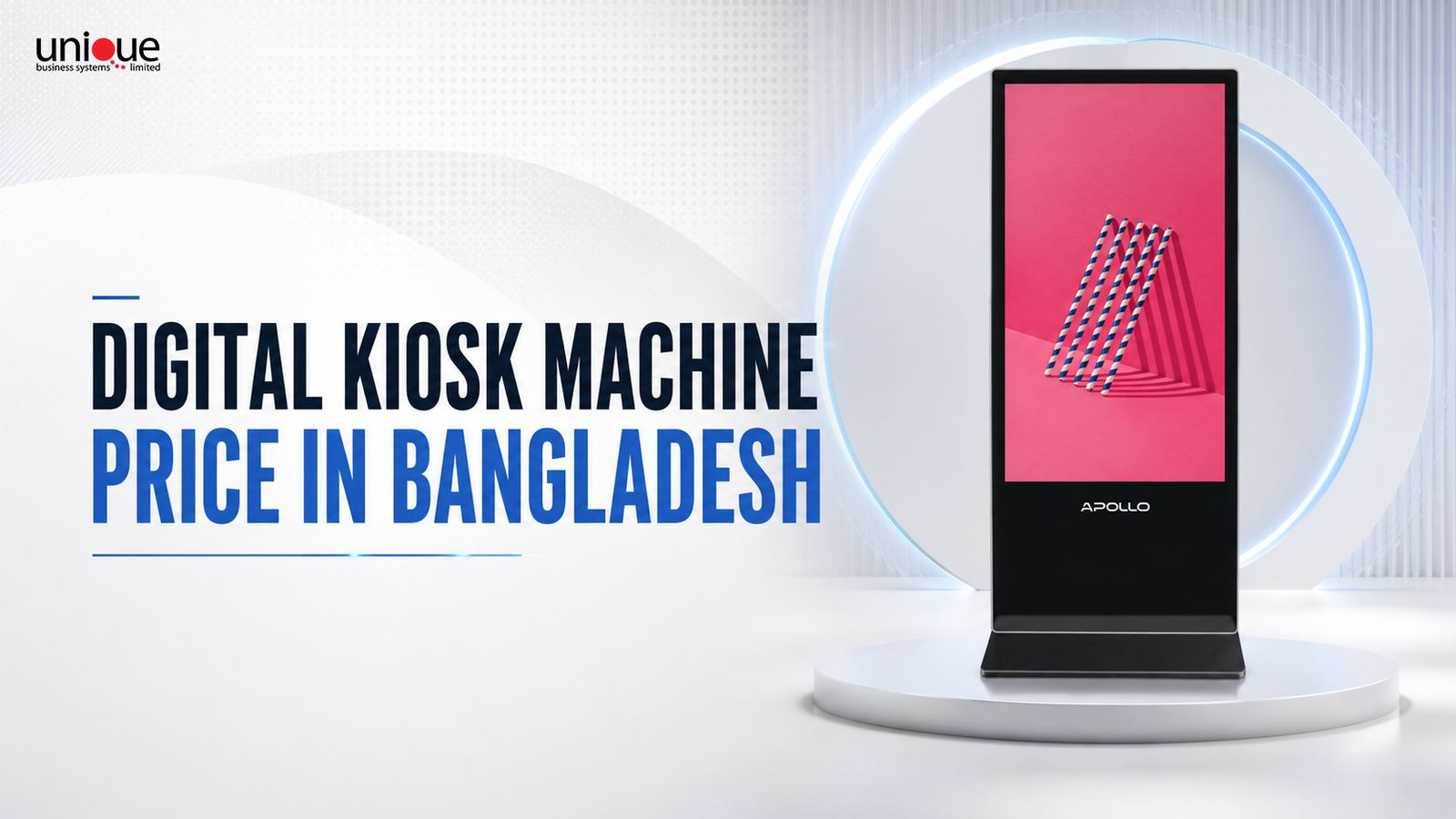
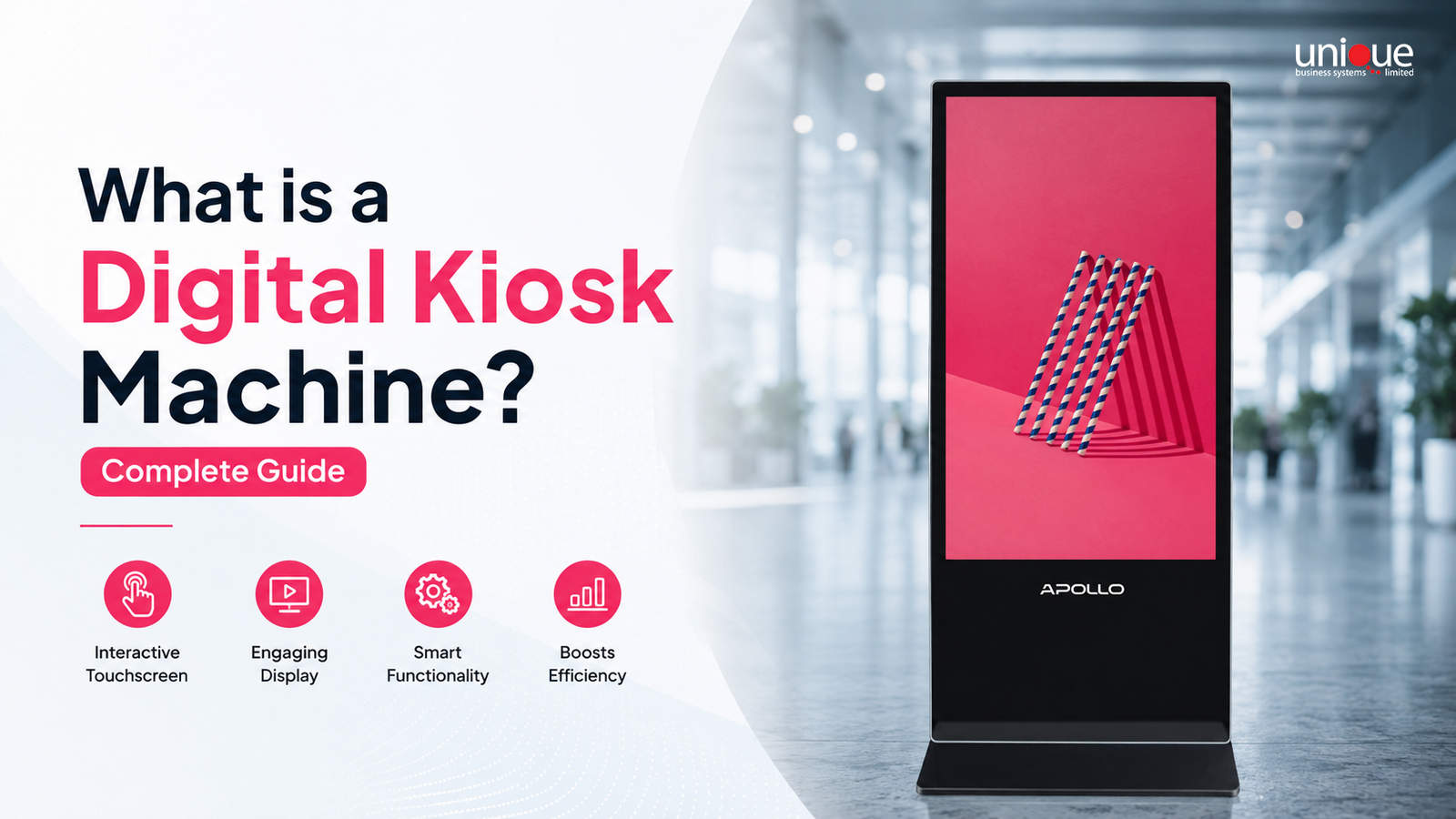
A digital kiosk machine is a standalone, computer-powered station — usually built around a touchscreen — that allows users to access information, complete transactions, or interact with digital content without needing a staff member present.
Think of it as a self-service assistant that never gets tired. It can display product information, take orders, print tickets, accept payments, or simply guide visitors through a building. Unlike traditional static signage, a digital kiosk is interactive: users tap, scroll, and select options just like they would on a smartphone or tablet.
The word "kiosk" originally referred to a small physical structure or booth, such as a newspaper stand. Today, "digital kiosk" describes the technology-driven version of that concept — a smart, connected touchpoint between a business and its customers.
How Does a Digital Kiosk Machine Work?
A digital kiosk machine works by combining three core elements: hardware, software, and connectivity.
- Hardware — This includes the touchscreen display, the internal computer or processor, and optional accessories such as printers, card readers, cameras, or barcode scanners.
- Software — The kiosk runs specialized software that controls what users see and can do. This might be a simple menu system, a full ordering platform, or an interactive wayfinding map.
- Connectivity — Many kiosks connect to the internet or a local network to pull real-time data, process payments, or sync information with a central system.
When a customer walks up to a kiosk, they interact with the touchscreen to browse options, enter information, or complete a task. The software processes their input and either displays results instantly or sends data to a backend system — for example, confirming a payment or printing a receipt.
Types of Digital Kiosk Machines
Digital kiosk machines come in several forms, depending on where and how they are used.
- Self-Service Kiosks — Used for ordering food, checking in, or completing transactions without staff help.
- Information Kiosks — Provide directions, business details, or general information, commonly seen in malls, hospitals, and offices.
- Interactive Kiosks — Feature advanced touchscreen interactivity, often used for product exploration or digital catalogs.
- Payment Kiosks — Allow customers to pay bills, top up accounts, or complete purchases independently.
- Wayfinding Kiosks — Help visitors navigate large buildings such as hospitals, universities, or airports.
- Ticketing Kiosks — Print tickets or boarding passes for transport, events, or cinemas.
Each type of digital kiosk system is built to solve a specific business or customer need, and many modern kiosks combine several of these functions in one machine.
Key Features
Most digital kiosk machines share a set of common features that make them effective self-service tools.
- Touchscreen Display — The main interface for user interaction, usually available in various sizes.
- Durable Build — Kiosks are designed to withstand constant public use, often with weatherproof or vandal-resistant casing for outdoor placement.
- Custom Software — Businesses can tailor the interface to match their branding and specific goals.
- Payment Integration — Many kiosks support card payments, mobile wallets, or QR-code-based transactions.
- Remote Management — Administrators can update content, monitor performance, and troubleshoot issues remotely.
- Accessibility Options — Features like audio guidance, adjustable text size, and multi-language support improve usability for all customers.
These features make a digital kiosk display far more than a simple screen — it becomes a functional business tool.
Benefits for Businesses
Investing in a digital kiosk solution offers several practical advantages for businesses of all sizes.
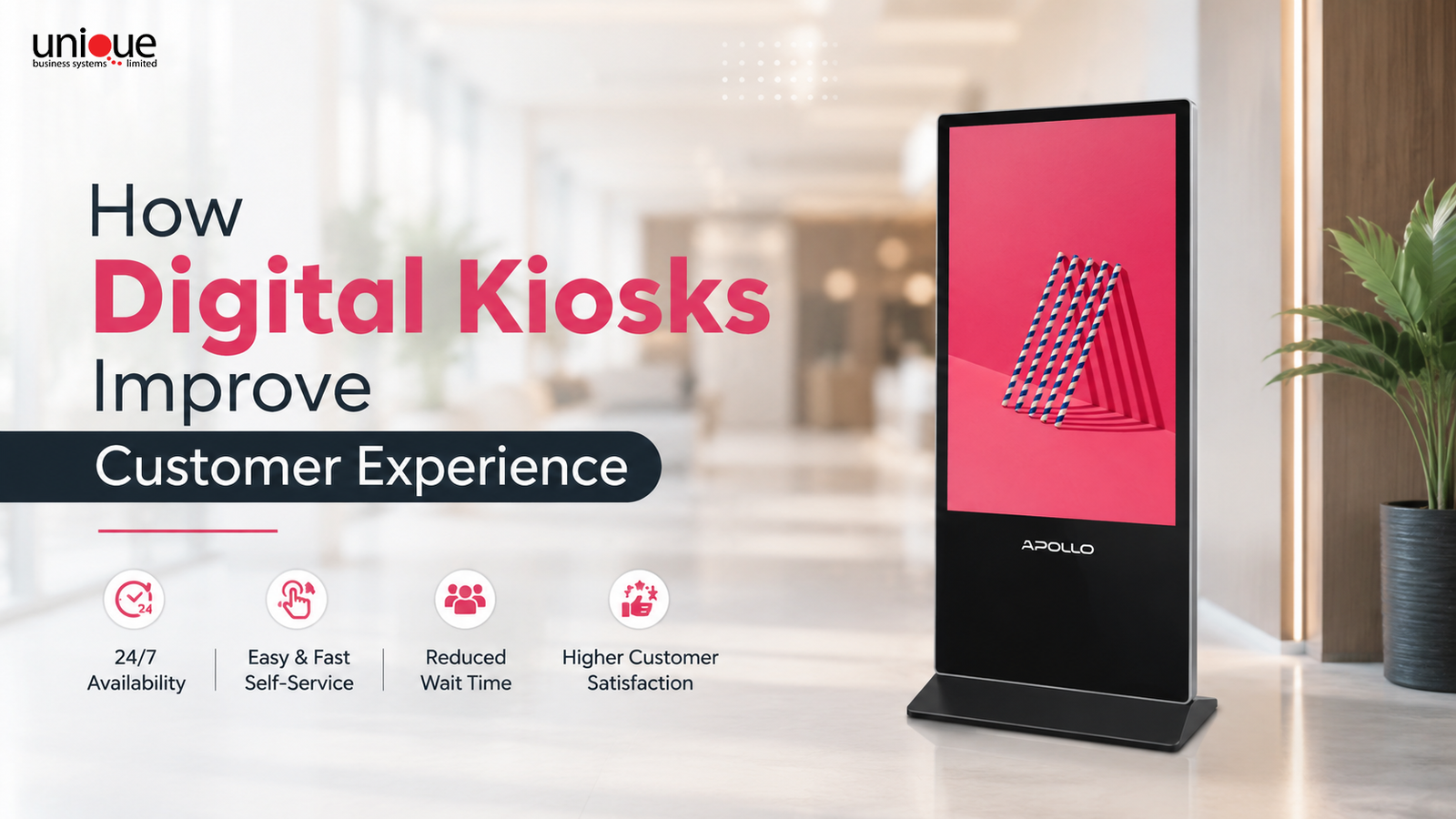
1. Reduced Wait Times Customers can complete tasks like ordering or checking in themselves, which reduces queues and speeds up service.
2. Lower Staffing Costs A single kiosk machine can handle repetitive tasks that would otherwise require dedicated staff, freeing employees to focus on higher-value work.
3. Consistent Customer Experience Unlike human staff, a kiosk delivers the same information and service quality every single time.
4. 24/7 Availability Digital kiosks can operate outside normal business hours, allowing customers to get information or complete transactions anytime.
5. Increased Sales Opportunities Interactive kiosks can suggest related products or promotions, encouraging upselling in a non-intrusive way.
6. Valuable Data Insights Many kiosk systems track usage patterns, helping businesses understand customer behavior and improve their services.
For businesses exploring self-service technology, a well-designed self-service kiosk can quickly pay for itself through efficiency gains and improved customer satisfaction.
Industries That Use Digital Kiosks
Digital kiosk machines are used across a wide range of industries, including:
- Retail — Product browsing, self-checkout, and price checking.
- Healthcare — Patient check-in, wayfinding, and appointment scheduling.
- Banking & Finance — Bill payments, account services, and account information.
- Hospitality — Hotel check-in/check-out and guest information services.
- Transportation — Ticketing, boarding pass printing, and flight information.
- Education — Campus wayfinding and student services.
- Government Offices — Queue management and public information access.
- Restaurants (QSR) — Self-order kiosks for faster, contactless ordering.
As digital transformation continues across Bangladesh, more businesses are adopting a digital kiosk system to modernize customer service and stay competitive.
Digital Kiosk Machine Price in Bangladesh
The digital kiosk machine price in Bangladesh varies significantly depending on several factors:
- Screen size — Larger touchscreens typically cost more.
- Build type — Indoor kiosks are generally more affordable than outdoor, weatherproof models.
- Hardware add-ons — Printers, card readers, scanners, and cameras add to the overall cost.
- Software complexity — Basic information kiosks cost less than fully custom interactive or payment-enabled systems.
- Brand and build quality — Commercial-grade kiosks built for heavy daily use are priced higher than entry-level units.
Because pricing depends heavily on these specifications, it is best to request a custom quote based on your specific business requirements rather than relying on a generic price range. A local supplier can also factor in installation, warranty, and after-sales support, which are important considerations in the total cost of ownership.
How to Choose the Right Digital Kiosk
Selecting the right digital kiosk solution depends on your business goals. Consider the following factors before making a decision:
- Purpose — Define whether the kiosk will be used for information, transactions, ordering, or wayfinding.
- Location — Indoor and outdoor placements require different levels of durability and weatherproofing.
- User Volume — High-traffic locations need more robust hardware built for continuous use.
- Software Needs — Decide whether you need a simple template-based interface or a fully custom-built application.
- Payment Requirements — If transactions are involved, ensure the kiosk supports secure and reliable payment integration.
- Support & Maintenance — Choose a vendor that offers reliable technical support, updates, and warranty coverage.
- Scalability — Consider whether you may need to deploy multiple kiosks across different locations in the future.
Taking time to evaluate these factors ensures you invest in a digital kiosk machine that truly fits your business needs rather than a generic, one-size-fits-all solution.
Why Choose Unique Business System Limited?
At Unique Business System Limited, we design and supply digital kiosk machines built for real business environments in Bangladesh. Our solutions combine durable hardware, custom software, and dependable local support to help businesses across retail, healthcare, banking, and hospitality modernize their customer experience.
Whether you need a simple information kiosk or a fully interactive, payment-enabled self-service system, our team can help you plan, deploy, and maintain the right solution.
- Explore our Digital Kiosk Products to see available models and specifications.
- View our complete range of Interactive Kiosk Solutions for retail and business use.
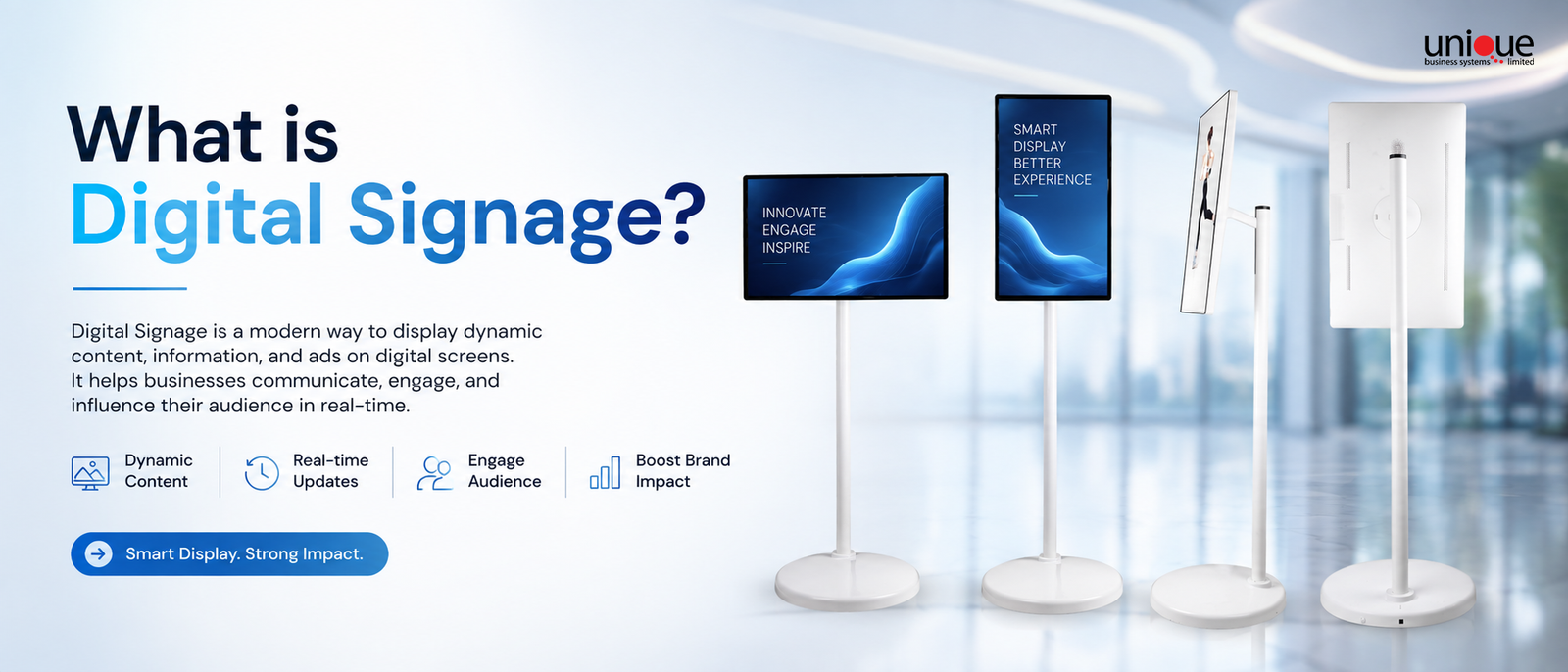
- Complement your kiosk setup with our Digital Signage Solutions for dynamic in-store messaging.
- Explore our Interactive Flat Panel Displays for meeting rooms and classrooms.
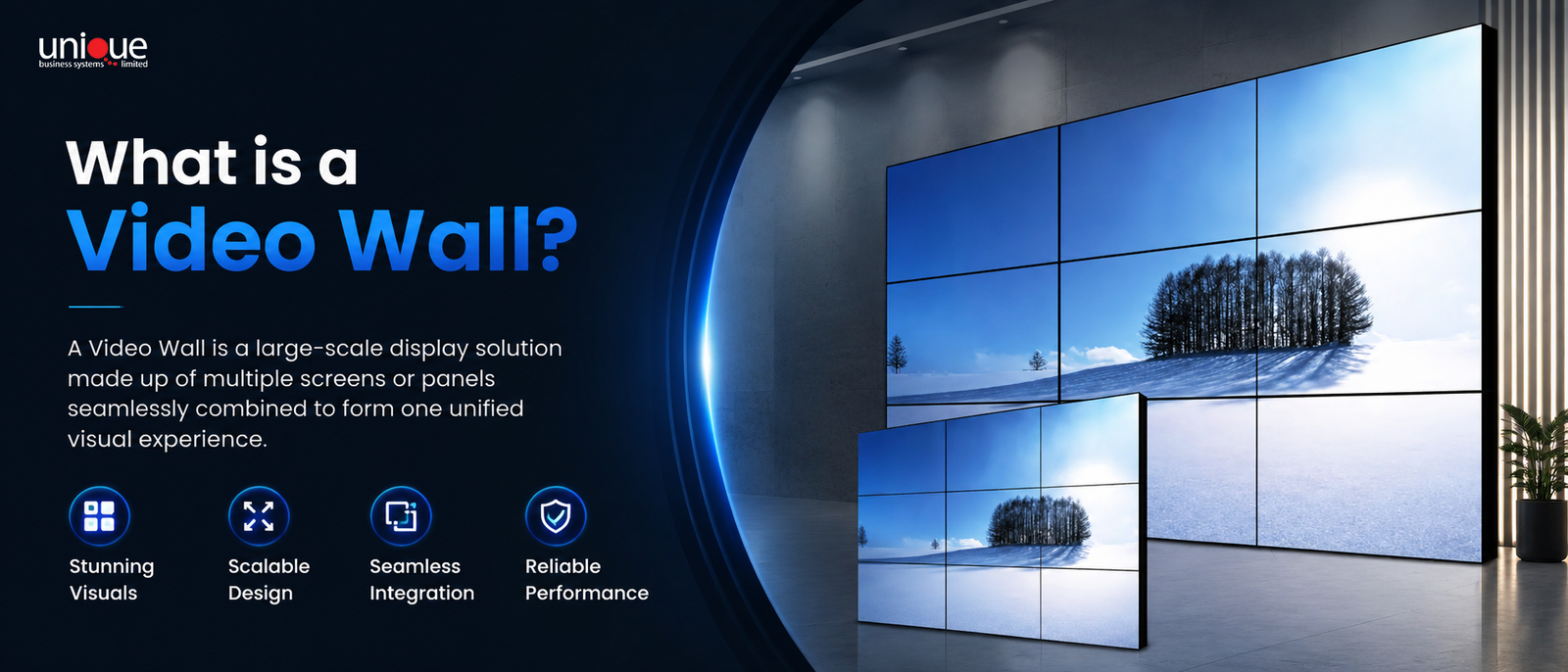
- Check out our Video Wall Solutions for large-scale visual displays.
- Request a custom kiosk solution for your business through our Request a Quote page.
- Have questions? Feel free to Contact Us and our team will guide you through the right options.
Frequently Asked Questions
What is a digital kiosk machine? A digital kiosk machine is a self-service, touchscreen-based device that allows users to access information, complete transactions, or interact with digital content without staff assistance.
How does a digital kiosk work? It works through a combination of touchscreen hardware, dedicated software, and often internet connectivity to process user input and deliver information or services in real time.
What are digital kiosks used for? They are used for tasks such as self-checkout, information lookup, wayfinding, ticket printing, bill payment, and customer check-in across many industries.
What is the difference between a kiosk and a digital kiosk? A traditional kiosk is a simple physical booth or stand, while a digital kiosk uses technology such as touchscreens and software to provide interactive, self-service functionality.
Where are digital kiosks used? Common locations include shopping malls, hospitals, banks, airports, hotels, restaurants, and government offices.
What industries use digital kiosks? Retail, healthcare, banking, hospitality, transportation, education, and government services are among the most common industries using digital kiosk systems.
Are digital kiosks worth it? For most businesses with regular customer interaction, digital kiosks are a worthwhile investment because they reduce wait times, lower staffing costs, and improve the overall customer experience.
How much does a digital kiosk cost in Bangladesh? The cost depends on screen size, build type, hardware add-ons, and software complexity. It is best to request a custom quote based on your specific requirements.
Conclusion
A digital kiosk machine is no longer just a convenience — it has become an essential tool for businesses looking to improve efficiency, reduce costs, and deliver a better customer experience. From retail and healthcare to banking and hospitality, digital kiosks are helping organizations across Bangladesh modernize the way they serve their customers.
If you are considering a digital kiosk solution for your business, take time to evaluate your specific needs, from purpose and location to software and payment requirements. With the right partner and the right setup, a digital kiosk machine can become one of your most valuable customer-facing investments.
Ready to get started? Explore our Digital Kiosk Products or Request a Quote today to find the right solution for your business.