Digital kiosks have moved far beyond simple information boards. Today, they're a core part of how modern businesses deliver faster, more consistent, and more personalized service. From reducing wait times to enabling smart retail technology and better digital customer service, the impact on customer experience is measurable and significant. For businesses ready to modernize their customer touchpoints, Unique Business System Limited kiosk solutions offer a practical starting point - combining dependable hardware, intuitive interfaces, and flexible software designed to fit real-world customer journeys.
Customer expectations have changed. People want fast answers, short wait times, and the freedom to serve themselves - without losing the quality of service they'd get from a staff member. This shift is exactly why more businesses are turning to digital kiosk machines as part of their customer experience strategy.
In this guide, we'll break down how digital kiosks actually improve customer experience, what benefits businesses can expect, and how solutions like Unique Business System Limited's digital kiosk systems help brands deliver faster, smarter, and more consistent service.
What Is a Digital Kiosk, and Why Does It Matter?
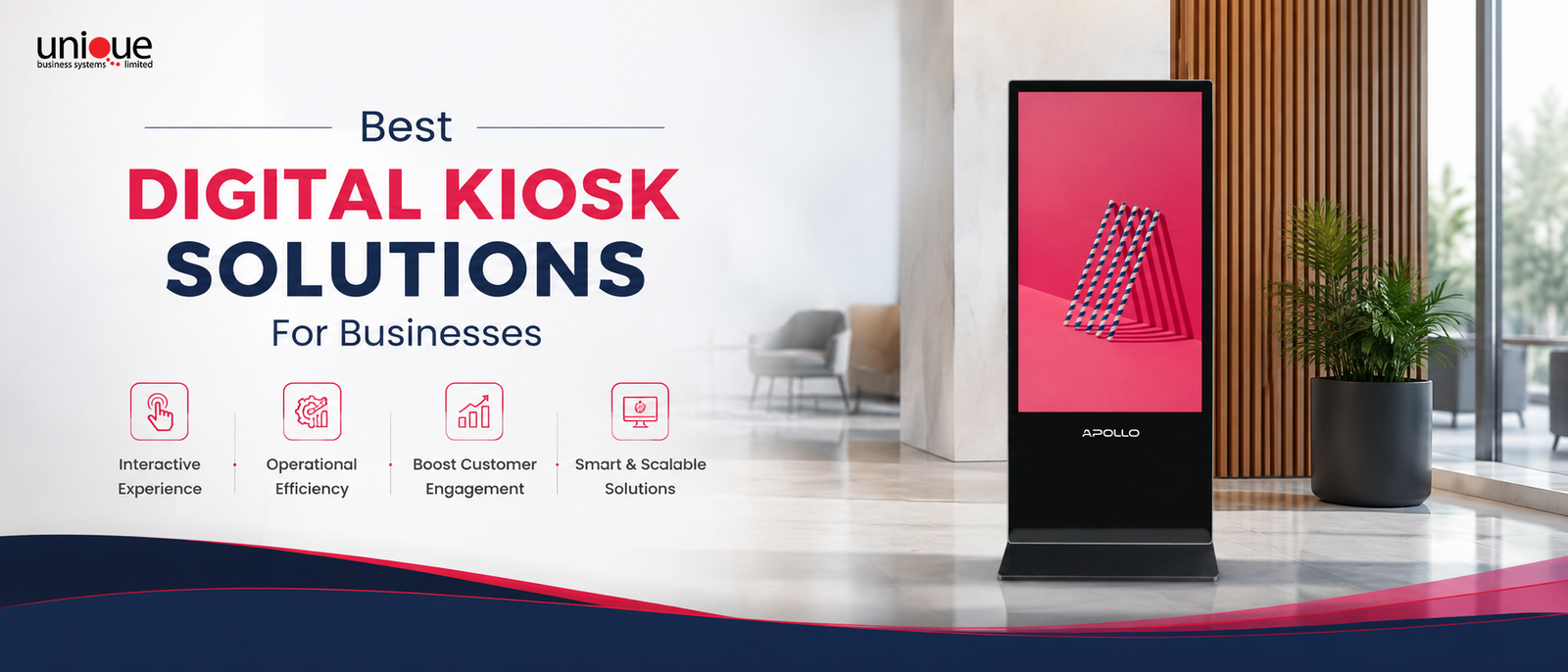
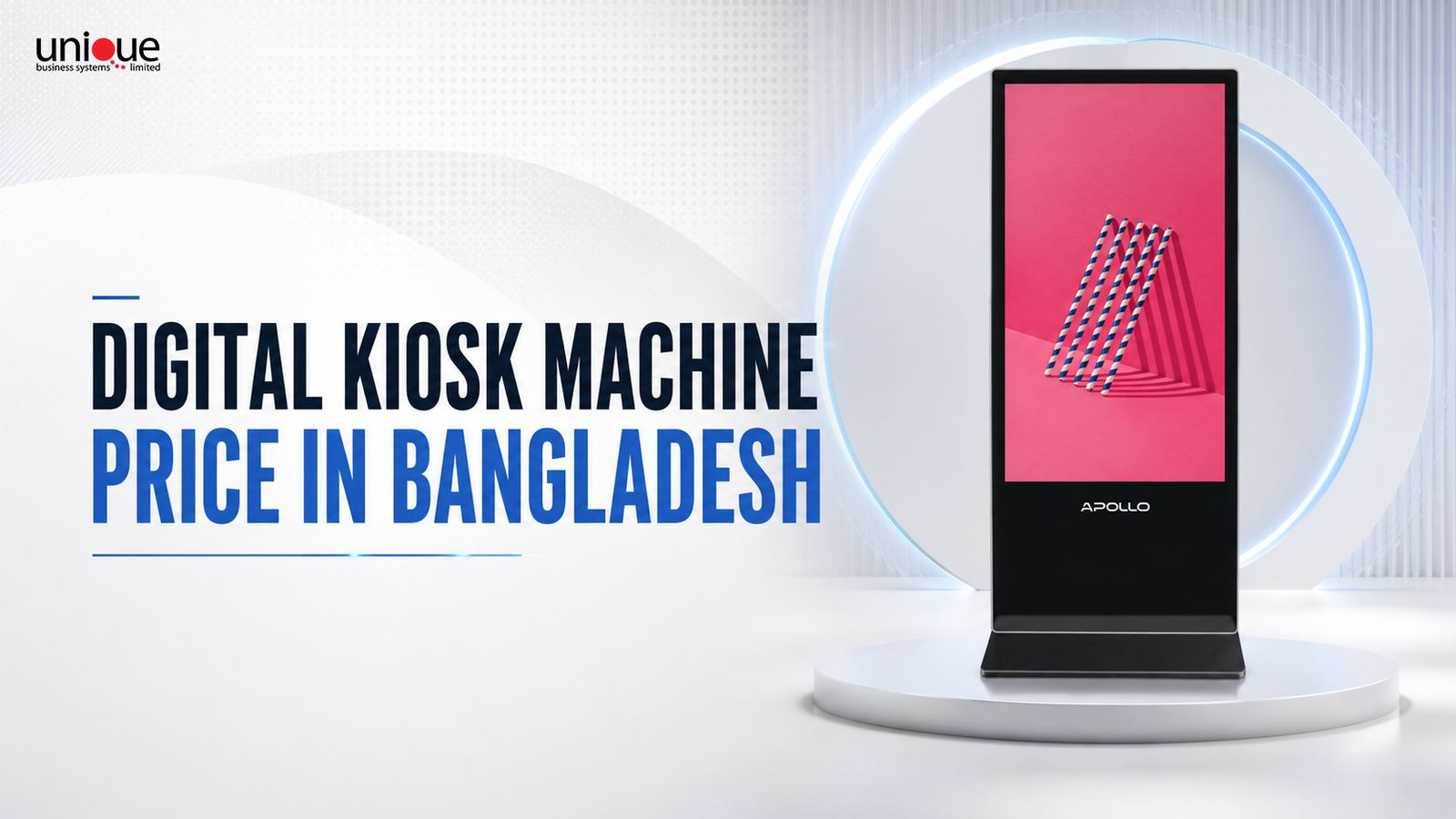
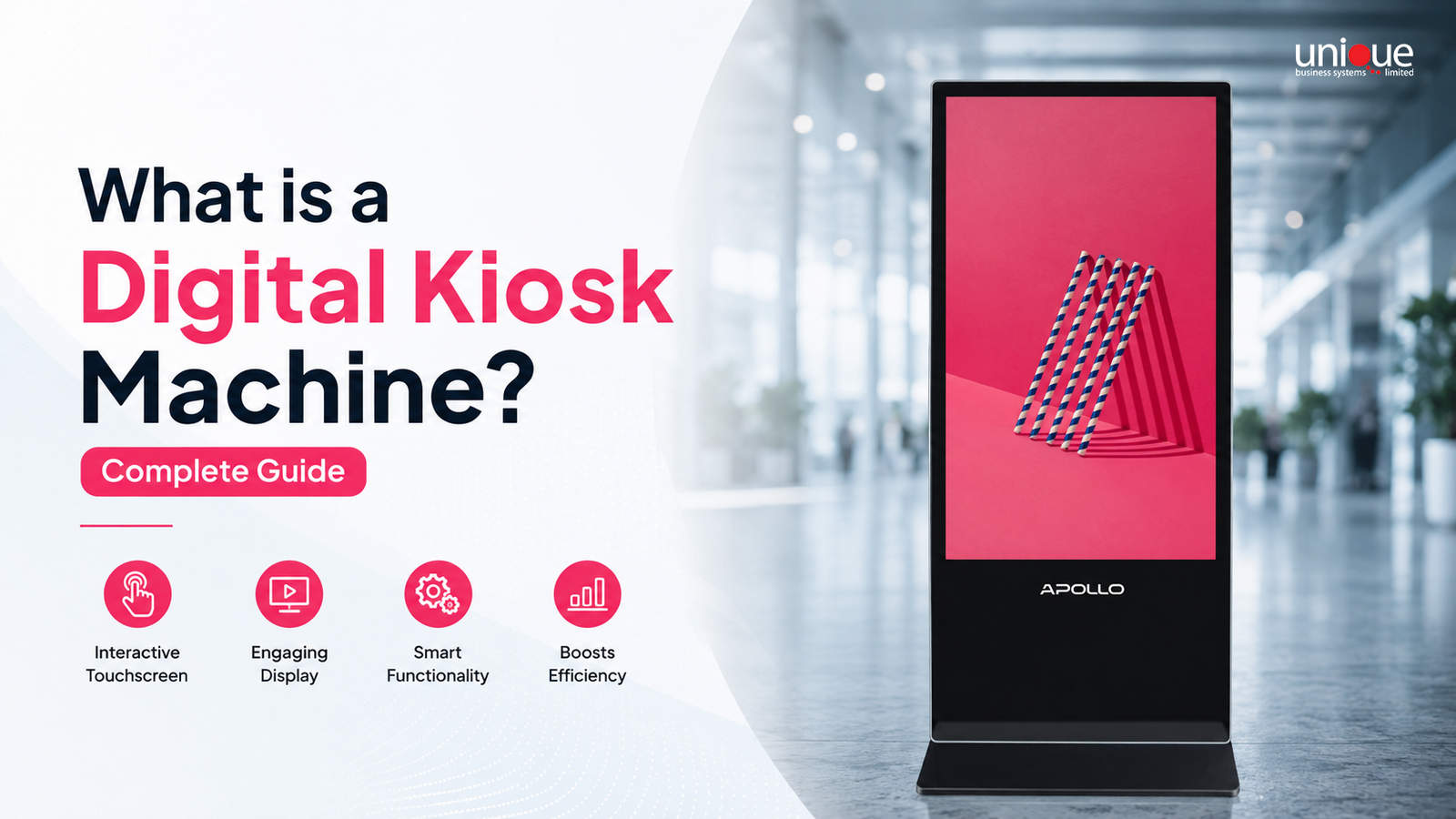
If you're new to the term, here's the simple kiosk meaning: a digital kiosk is a self-contained, touch-enabled terminal that lets customers interact directly with a business - checking in, browsing information, placing orders, or getting served - without waiting for a staff member.
It's a core part of the broader digital transformation happening across retail, banking, healthcare, and hospitality. Instead of relying only on human staff, businesses now use an interactive kiosk to handle repetitive, high-volume tasks - freeing up employees for higher-value work.
Platforms like Unique Business System Limited offer's around this idea: combining reliable hardware with intuitive software to create a smoother customer journey from the moment someone walks in.
How Digital Kiosks Improve Customer Experience
1. Faster Service, Shorter Wait Times
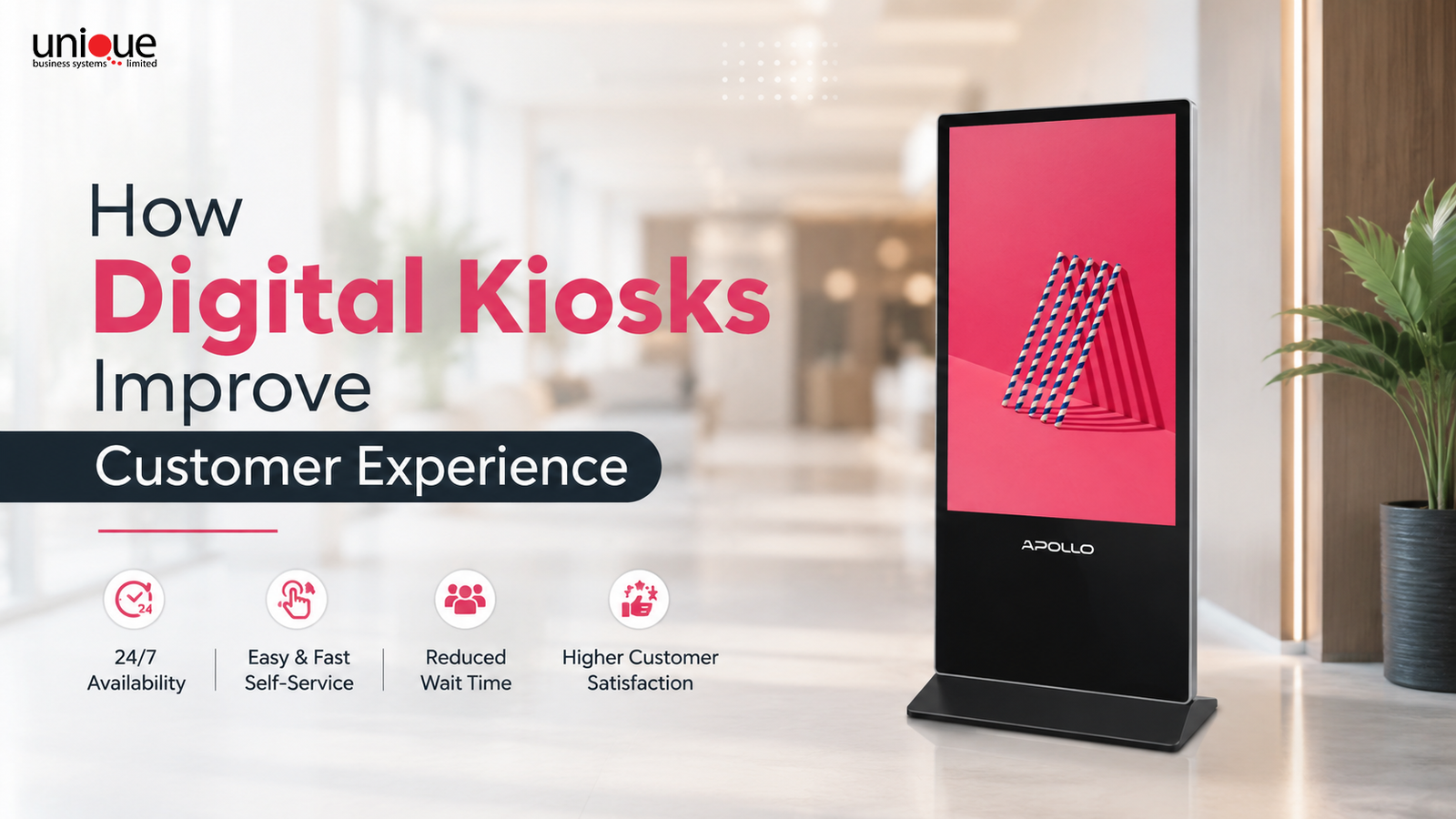
One of the biggest frustrations customers report is waiting in line. A self service kiosk lets people check in, place orders, or complete transactions instantly - no need to wait for an available staff member.
This is especially powerful in queue management scenarios. Banks, hospitals, and government offices use kiosks to issue tokens and route customers efficiently, cutting down perceived and actual wait times significantly.
2. Consistent, Error-Free Service
Human service can vary — a rushed employee might skip details or make mistakes. A well-designed digital kiosk solution delivers the same accurate experience every single time, whether it's the first customer of the day or the last.
This consistency builds trust. Customers know exactly what to expect, which improves overall customer satisfaction.
3. 24/7 Availability
Unlike staffed counters, a touch screen kiosk doesn't need breaks, shifts, or holidays. It can provide information, process simple transactions, or guide customers around the clock - a major advantage for businesses that want to extend service hours without extending staffing costs.
4. Greater Convenience and Control
Modern customers value autonomy. An interactive display solution puts control in the customer's hands - they can browse at their own pace, explore product details, or complete a task without feeling rushed or judged.
This sense of independence is one of the most consistent findings in self-service technology adoption: customers often report higher satisfaction simply because they feel more in control of their own experience.
5. Reduced Human Error and Miscommunication
Language barriers, mishearing, or simple miscommunication can frustrate both customers and staff. A smart kiosk system removes this friction with clear visuals, step-by-step prompts, and multi-language support - ensuring the message is understood correctly the first time.
6. Personalized and Engaging Interactions
Today's customer engagement kiosk systems go beyond basic transactions. They can recommend products, display targeted promotions, or guide users through personalized journeys based on their selections - turning a simple kiosk into a genuine engagement tool rather than just a machine.
APOLLO's kiosk software, for example, supports dynamic content updates, meaning businesses can tailor what customers see based on time of day, location, or ongoing promotions - all without manual intervention.
7. Better Data and Business Insights
Every interaction on a business kiosk system generates useful data - what customers click on, how long they spend, which services are most requested. This information helps businesses refine their offerings and improve digital customer service over time, based on real behavior rather than guesswork.
Real-World Applications Where Kiosks Improve Customer Experience
Retail Stores
An information kiosk in a retail environment helps shoppers check product availability, compare prices, or locate items — reducing dependency on floor staff during busy hours. This is one of the clearest examples of digital kiosk benefits in retail stores.
Banking and Financial Services
Kiosks handle token generation, balance inquiries, and basic transactions, freeing tellers to focus on more complex customer needs.
Healthcare Facilities
Patient check-in kiosks reduce front-desk congestion and shorten waiting room times - a direct, measurable improvement to the patient experience.
Hospitality and Malls
A commercial kiosk display used for wayfinding or promotions helps visitors navigate large spaces confidently, reducing frustration and improving their overall visit.
Quick-Service Restaurants
Self-ordering kiosks speed up order accuracy and processing time, which directly impacts customer satisfaction during peak hours.
Benefits of Digital Kiosks for Businesses (Not Just Customers)
While the customer-facing benefits are clear, businesses gain just as much:
- Lower operational costs - automating repetitive tasks reduces staffing pressure
- Increased throughput - more customers served in less time
- Scalability - deploying additional kiosks is far easier than hiring and training new staff
- Brand consistency - every customer gets the same polished, on-brand experience
- Business automation - routine processes run without constant human oversight
This is why the demand for digital kiosk solutions in Bangladesh and similar emerging markets is growing fast - businesses are recognizing that self-service technology isn't just a convenience upgrade, it's a competitive advantage.
How Businesses Use Digital Kiosks Effectively
To get real value from a kiosk deployment, businesses should:
- Match the kiosk to the use case - a queue management kiosk needs different features than a digital information center.
- Keep the interface simple - clear navigation matters more than flashy design.
- Maintain and update content regularly - an outdated kiosk feels neglected and hurts trust.
- Combine kiosks with staff support - kiosks should assist, not fully replace, human service where complex needs arise.
- Choose a reliable technology partner - platforms like APOLLO offer end-to-end support, from hardware setup to ongoing software updates, ensuring kiosks stay functional and relevant.
Frequently Asked Questions
Do digital kiosks actually improve customer satisfaction?
Yes. Studies and real-world deployments consistently show that customers value the speed, consistency, and control that self-service kiosks offer, especially for routine tasks like check-in, ordering, or information lookup.
Are digital kiosks suitable for small businesses, or only large enterprises?
Both. While banks and hospitals often deploy large kiosk networks, small retail stores and clinics can benefit just as much from a single, well-placed information kiosk that reduces front-desk load and improves the customer journey.
Will a kiosk replace the need for staff entirely?
No. Kiosks work best as a support layer - handling repetitive, high-volume interactions so staff can focus on tasks that genuinely need a human touch, like resolving complaints or handling complex requests.
How do I choose the right kiosk provider?
Look for a provider that offers reliable hardware, easy-to-update software, local support, and a track record of successful deployments. Unique Business System Limited, for instance, focuses on building kiosk systems around real customer journeys rather than just hardware specs.
Looking to upgrade your customer experience with a digital kiosk system? Get in touch with the UNIQUE BUSINESS SYSTEM LIMITED team to explore the right solution for your business.